Clarinet Tongue Position: The Secret to a Great Sound

Updated: Jul 17
Many clarinetistas creen que lograr un buen legato y un sonido enfocado simplemente requiere "soplar más fuerte" y mover los dedos de manera eficiente. Sin embargo, el verdadero secreto radica en la posición de la lengua al tocar el clarinete. Incluso cuando no estás tocando staccato, tu lengua debe trabajar activamente para dirigir el flujo de aire.
En este artículo, exploraremos cómo dominar este concepto para mejorar drásticamente tu sonido.
La Analogía de la Manguera de Jardín
Imagina que estás regando tu jardín con una manguera. Si dejas que el agua fluya libremente, caerá justo a tus pies con muy poca fuerza. Pero si colocas tu pulgar sobre la abertura de la manguera, el agua saldrá disparada con mucha más presión y velocidad, alcanzando mucho más lejos.
Como explica la gran clarinetista Sharon Kam en su video, tu lengua actúa exactamente como ese pulgar al tocar el clarinete. Al elevar tu lengua, reduces el espacio dentro de tu boca (la cavidad oral), lo que genera mayor presión y velocidad. Esta mayor velocidad del aire hace que la caña vibre de manera activa y permite que tu legato fluya naturalmente, sin necesidad de "empujar" o forzar el aire.

El Sonido Mágico: "ee"
La forma más sencilla de encontrar la posición correcta de la lengua es a través de los sonidos vocálicos. Para un tono ideal de clarinete y legato, buscamos la posición alta y frontal de la vocal cerrada "ee".
Cuando dices "oo", "oh" o "ah", tu lengua cae al fondo de tu boca, creando un gran espacio y, en consecuencia, una columna de aire que se mueve lentamente.
Cuando dices "ee", la parte posterior de tu lengua se eleva hacia el paladar, y sus lados tocan el interior de tus molares superiores.

Ejercicio Rápido:
Di "oo-ee-oo-ee" en voz alta sin mover los labios o la mandíbula. Siente cómo tu lengua sube y baja internamente. Para un sonido profesional y enfocado, deseas mantener esa constante posición de lengua "ee" mientras tocas.
Aplicaciones Técnicas Fundamentales
Eliminando Tonos Subyacentes:
Sharon Kam menciona que en piezas como la apertura del segundo movimiento del Concierto para Clarinete K. 622 de Mozart, si no mantenemos una velocidad de aire rápida, las notas altas pueden producir tonos subyacentes no deseados (una nota baja que suena por debajo). Mantener la lengua en una posición alta de "ee" ayuda a eliminar estos ruidos y estabiliza el tono de inmediato.

Control del Tono:
Elevar la lengua hace que el tono sea ligeramente más alto. Kam argumenta que este método es muy superior a "morder" la caña con la mandíbula, lo que ahoga el sonido. Elevar la lengua logra el ajuste de tono necesario mientras mantiene una calidad de tono rica y vibrante. Incluso si una posición extrema de "ee" sacrifica ligeramente la redondez del sonido en favor de la entonación, sigue siendo una solución mucho mejor que la presión excesiva de los labios.
Notas de Garganta:
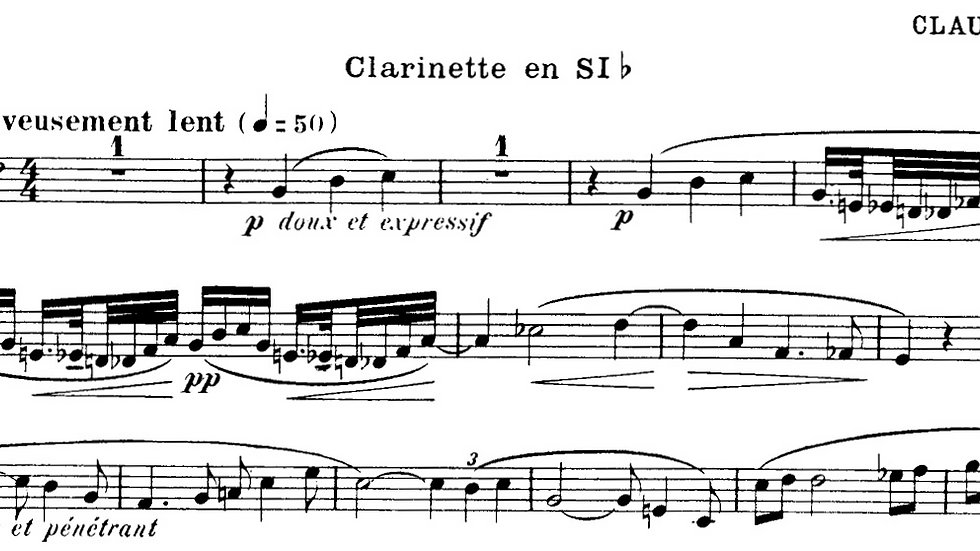
En la apertura de Première Rhapsodie de Debussy, Kam recomienda combinar una embocadura muy relajada con una posición alta de la lengua ("ee"). Esto permite que las notoriamente delgadas notas de garganta suenen redondas, llenas y perfectamente afinadas, evitando que suenen "cansadas" o aireadas.
Ajustes Sutiles por Registro en la Posición de la Lengua del Clarinete
La renombrada pedagoga Dr. Tracy Heavner sostiene que una posición alta de la lengua debe mantenerse como una base fundamental en todo el instrumento. Sin embargo, debemos ser conscientes de ciertos matices para asegurar un legato perfecto en todos los registros:
Registro Bajo (Chalumeau):
Mantén tu embocadura y mandíbula relajadas para proporcionar profundidad. Aunque sentirás una mayor resonancia interna, evita dejar caer completamente tu lengua al fondo de tu boca (mantente alejado de la posición "ah"), o el sonido perderá su núcleo, enfoque y afinación.
Registros Medio (Clarion) y Alto:
Aquí, una vocal pura "ee" es absolutamente obligatoria. Como se mencionó anteriormente, si la lengua cae y el aire pierde velocidad, es probable que el clarinete produzca tonos subyacentes o multiphonías. Mantener la lengua alta evita este problema por completo.
Registro Altissimo:
Esto requiere una posición extrema, casi como un silbido de gato o un sonido agudo de "hee", reduciendo la cavidad oral al máximo para que las notas más altas suenen con total facilidad.
El Ejercicio del "Aire Frío" y el Silbido
Para aprender a presurizar el aire internamente, la Dra. Heavner sugiere una imagen mental muy efectiva: piensa en soplar "aire frío." El aire caliente (como el aire que usas para empañar una ventana o unas gafas) es lento y se disipa. El aire frío requiere que tu lengua se eleve inmediatamente para estrechar el canal de aire.
Si tienes dificultades para encontrar esta sensación antes de tocar un pasaje ligado, prueba el ejercicio del silbido fuerte (recomendado por la pedagoga Callie de Clarinet's Cats and Coffee): Antes de poner tus labios en la boquilla, sopla aire a través del clarinete haciendo un sonido muy fuerte de "shhh" o "shush." Inmediatamente sentirás los lados de tu lengua presionando firmemente contra tus molares superiores y tu soporte central activarse. Mantén esa misma sensación interna y toca tu frase de inmediato. Verás cómo las notas se conectan maravillosamente.
Nota: Puedes dejar una calificación de estrellas y un comentario sobre este artículo a continuación.


Comments